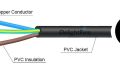
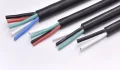
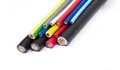
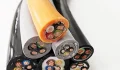
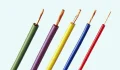
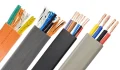
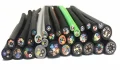
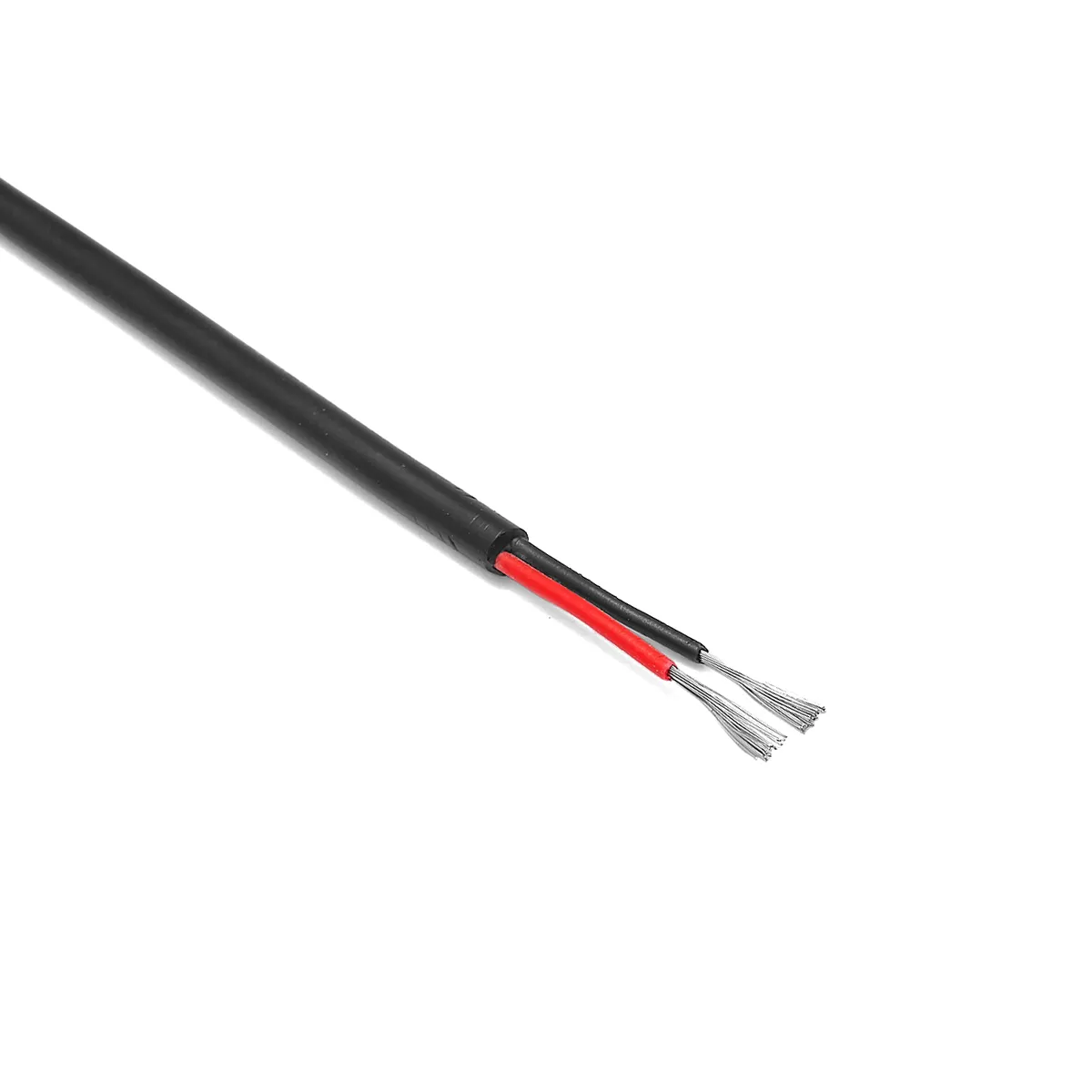
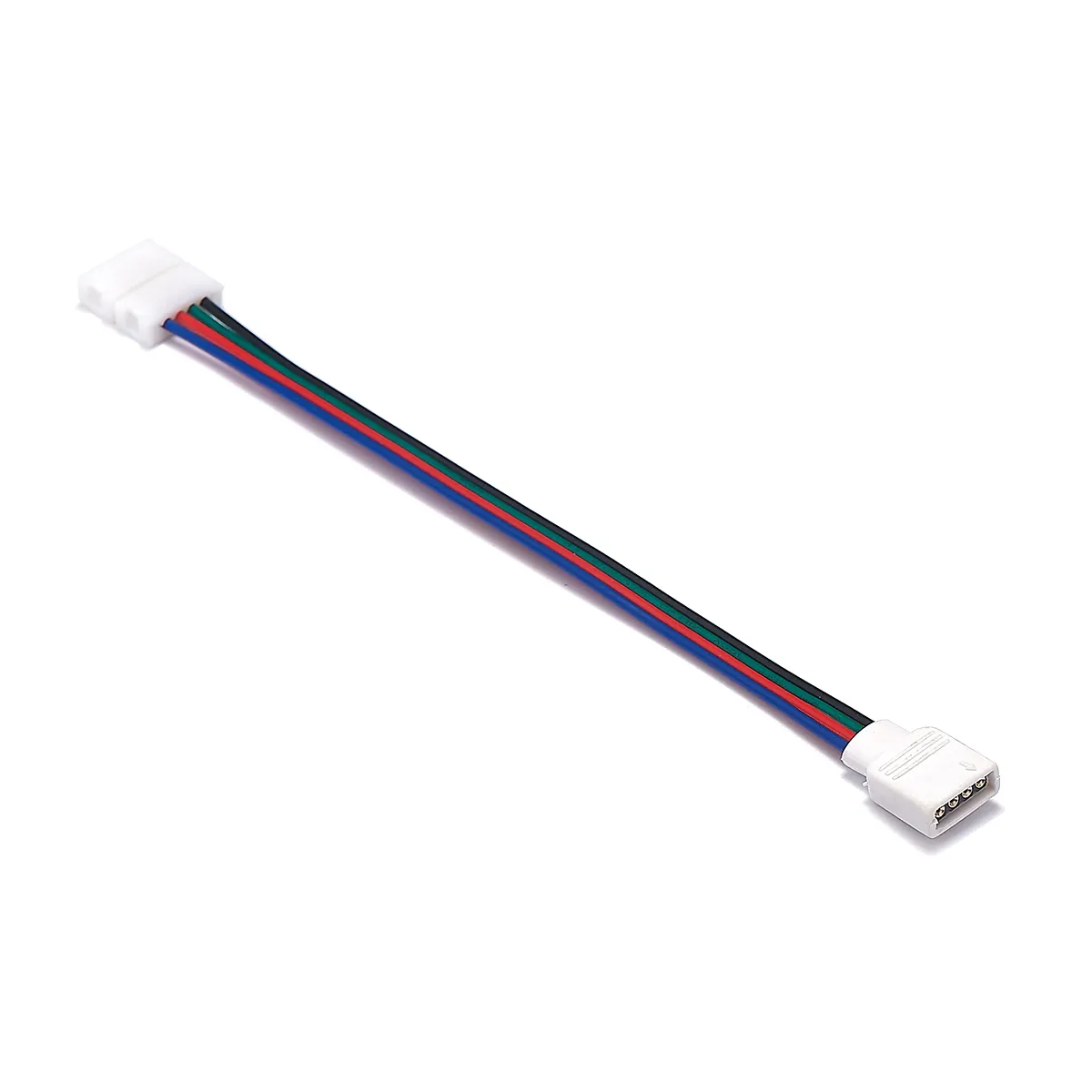
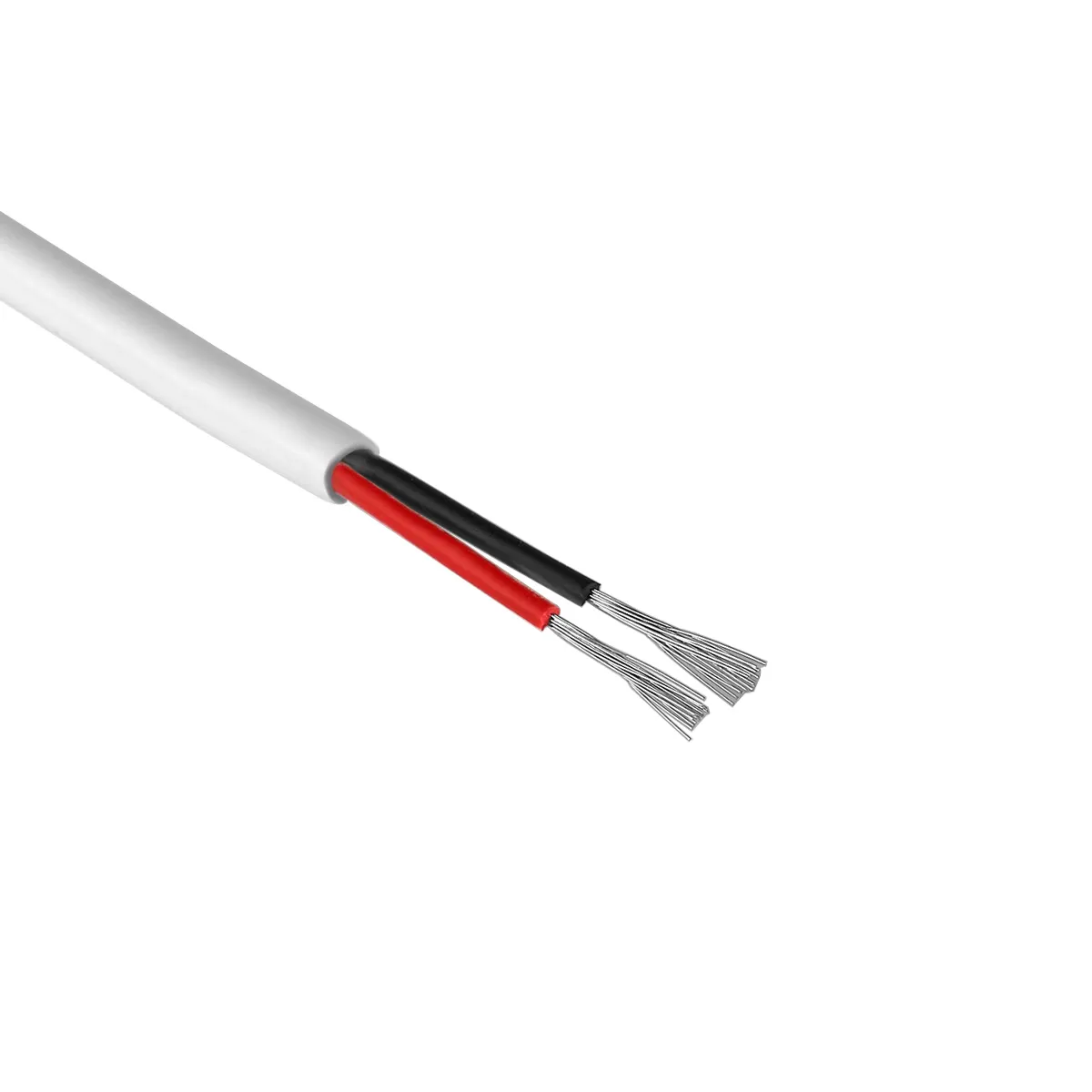
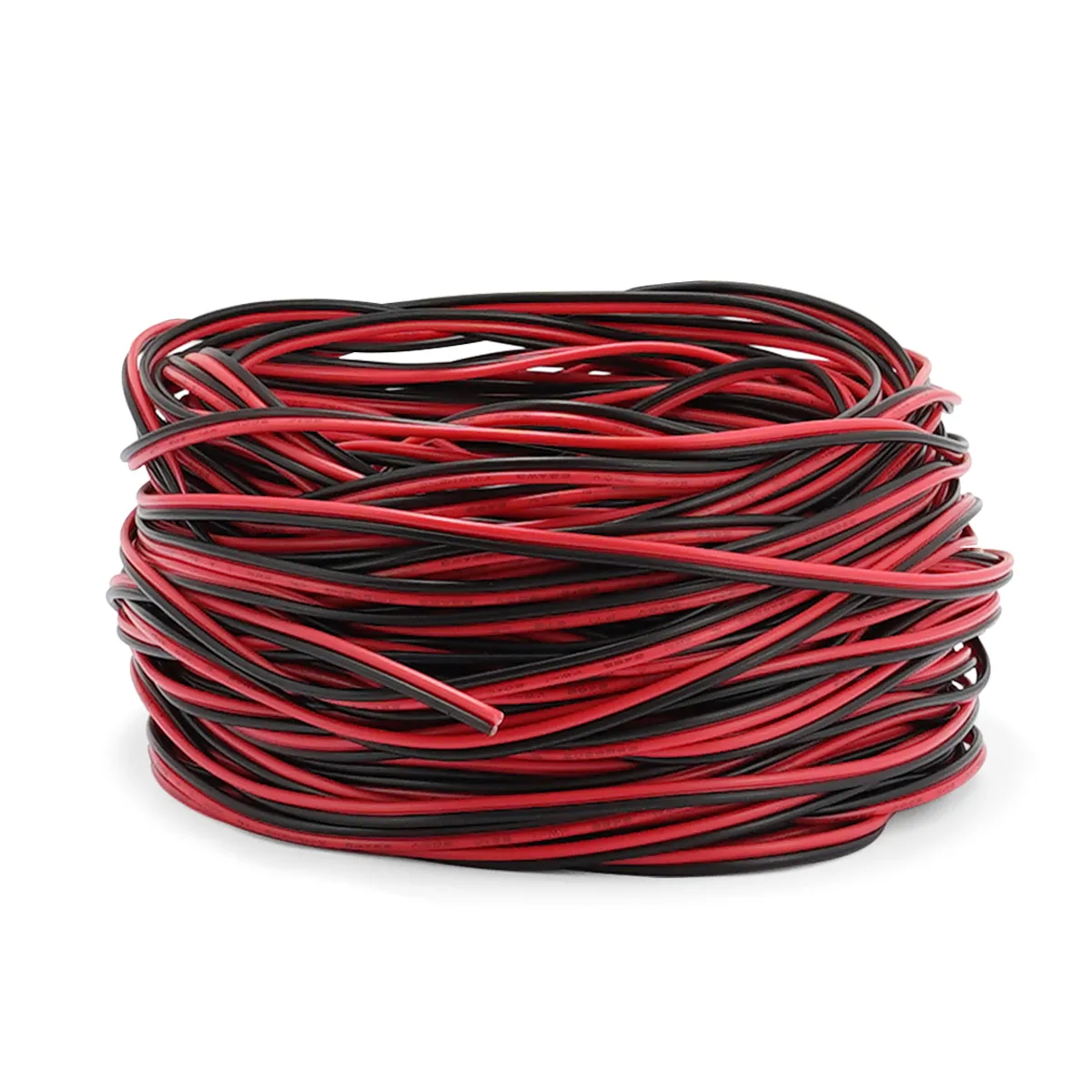
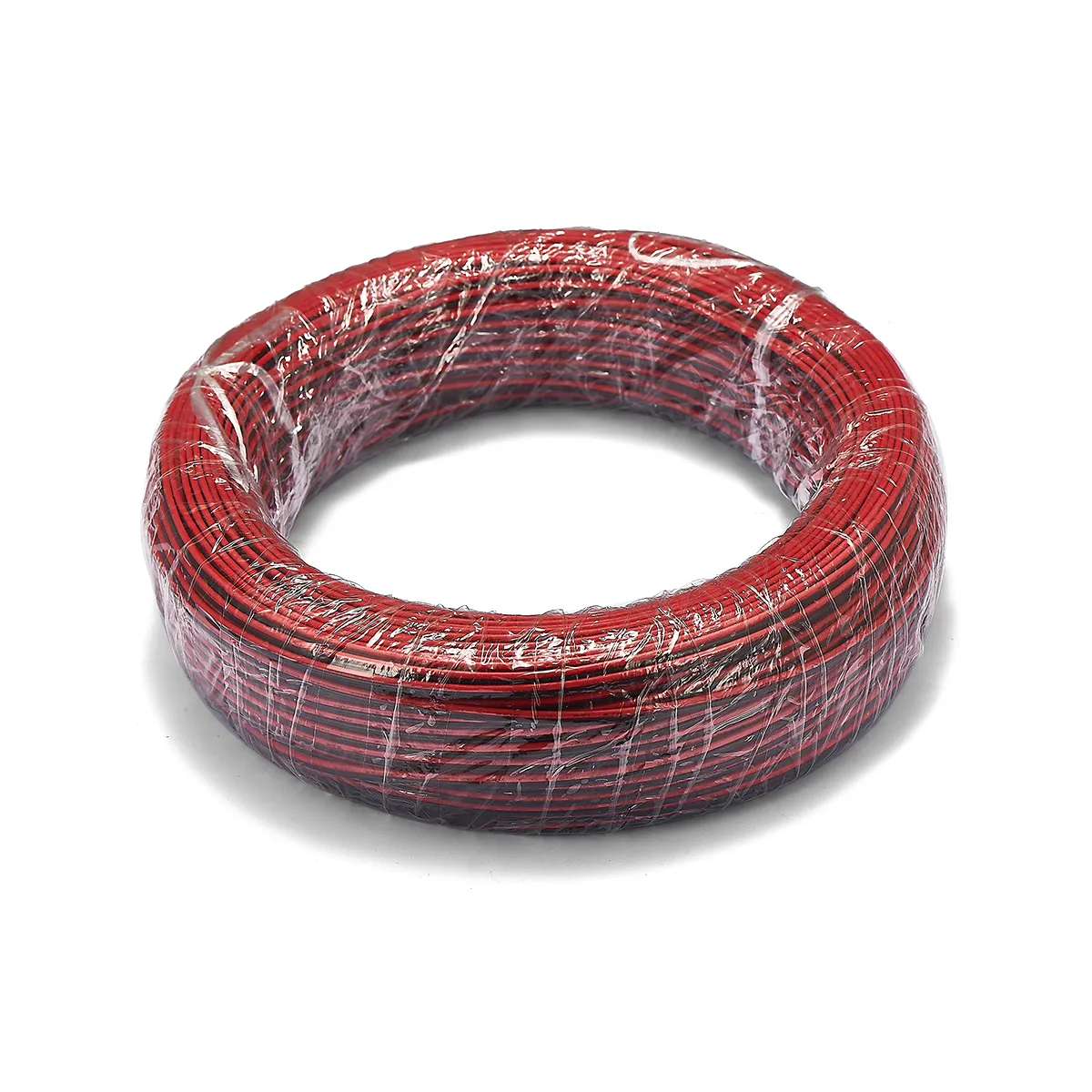
Different types of electrical cables have their specific uses and applications. Today, more than 20 types of cables are designed for applications ranging from the transmission to heavy industry. The following are common cables you may use in your projects: non-metallic sheathed cables, underground feeder cables, metal-sheathed cables, multi-conductor cables, coaxial cables, unshielded twisted pair cables, ribbon cables, direct burial cables, HDMI cables, speaker cables, category 5e cables, twin wire cables, twin spool cables, paired cables, and twisted pair cables.
Non-metallic sheathed cables

These cables are also known as non-metallic building wires or NM cables. They are characterized by a flexible plastic sheath with two to four wires (TECK cables are covered with thermoplastic Insulation) and a bare wire for earthing. This particular variety of cable is intended for underground or outdoor use, in spaces free from moisture and away from any heat sources, and should not be buried or run outside the walls. It is best used behind walls and ceilings and within floor voids. However, NM-B and NM-C non-metallic sheathed cables are the most common form of indoor residential wiring.
Underground feeder cables
These cables are very similar to NM-B cables, but instead of each wire being individually encased in thermoplastic, the wires are grouped and embedded in a flexible material. Similar to NM cables, UF cables are available in various sizes to meet all electrical codes and are marked with the same information as NM cables, plus the UF logo, and are typically used for outdoor lighting and ground applications. Their high water resistance makes them ideal for wet areas such as gardens, open-air luminaires, pumps, etc.
Metal sheathed cables

Also known as armored or BX cables, metal-sheathed cables usually supply main power or large appliances. They have three plain stranded copper wires (a current wire, an earth wire, and a neutral wire) and are insulated with cross-linked polyethylene, a PVC liner, and a black PVC jacket. BX cables with a wire sheath are usually used for outdoor applications and high-stress installations which are relatively expensive and difficult to handle. They are usually found in older houses but not in newly built houses and for indoor use only.
Multi-conductor cables
This cable is commonly used in homes because it is simple to use and well insulated. Multi-conductor or multi-core cables are characterized by having more than one conductor, each of which is individually insulated. In addition, an outer insulation layer is added for added safety. Different varieties are used in the industry, such as the audio multi-core ‘snake’ cables used in the music industry.
Coaxial cables
Coaxial (sometimes helium) cables have tubular Insulation protecting the inner conductor, which in turn is surrounded by a tubular conductive shield and possibly an outer sheath for additional Insulation. Known as ‘coaxial’ because the two inner shields have the same geometric axis, these cables are often used to carry television signals and connect video equipment.
Unshielded twisted pair cables
As its name suggests, this type consists of two wires twisted together. The wires are not insulated, which makes this cable ideal for signal transmission and video applications. As they are more affordable than coaxial or fiber optic cables, UTP cables are often used for telephony, security cameras, and data networks. UTP cables with copper or solid copper cores are popular for indoor use as they are flexible and can be easily bent for in-wall installation.
Ribbon cables
Ribbon cables are commonly used in computers and peripheral devices. Various conductive wires run parallel to each other in a single plane, visually resembling a flat ribbon. These cables are quite flexible and can only handle low voltage applications.
Direct burial cables
Also known as DBCs, these cables are specially designed coaxial or bundled fiber optic cables that do not require additional sheathing, Insulation, or ducting before being buried underground. They feature a heavy metal core with many layers of ribbon metal sheathing, heavy rubber overlays, vibration dampening gel, and a waterproof wrapped thread reinforced tape. High resistance to temperature changes, moisture, and other environmental factors make them popular for transmission or communication requirements.
HDMI cables

It is a rubber cable typically used to transmit digital video, multi-channel surround sound, and advanced control data over a single line. An all-digital audio-video interface that transmits signals in an uncompressed format and is cost-effective. HDMI connector types:
- Type A/B is defined in the HDMI 1.0 specification.
- Type C is defined in the HDMI 1.3 specification.
- Type D/E is defined in the HDMI 1.4 specification.
Speaker cables
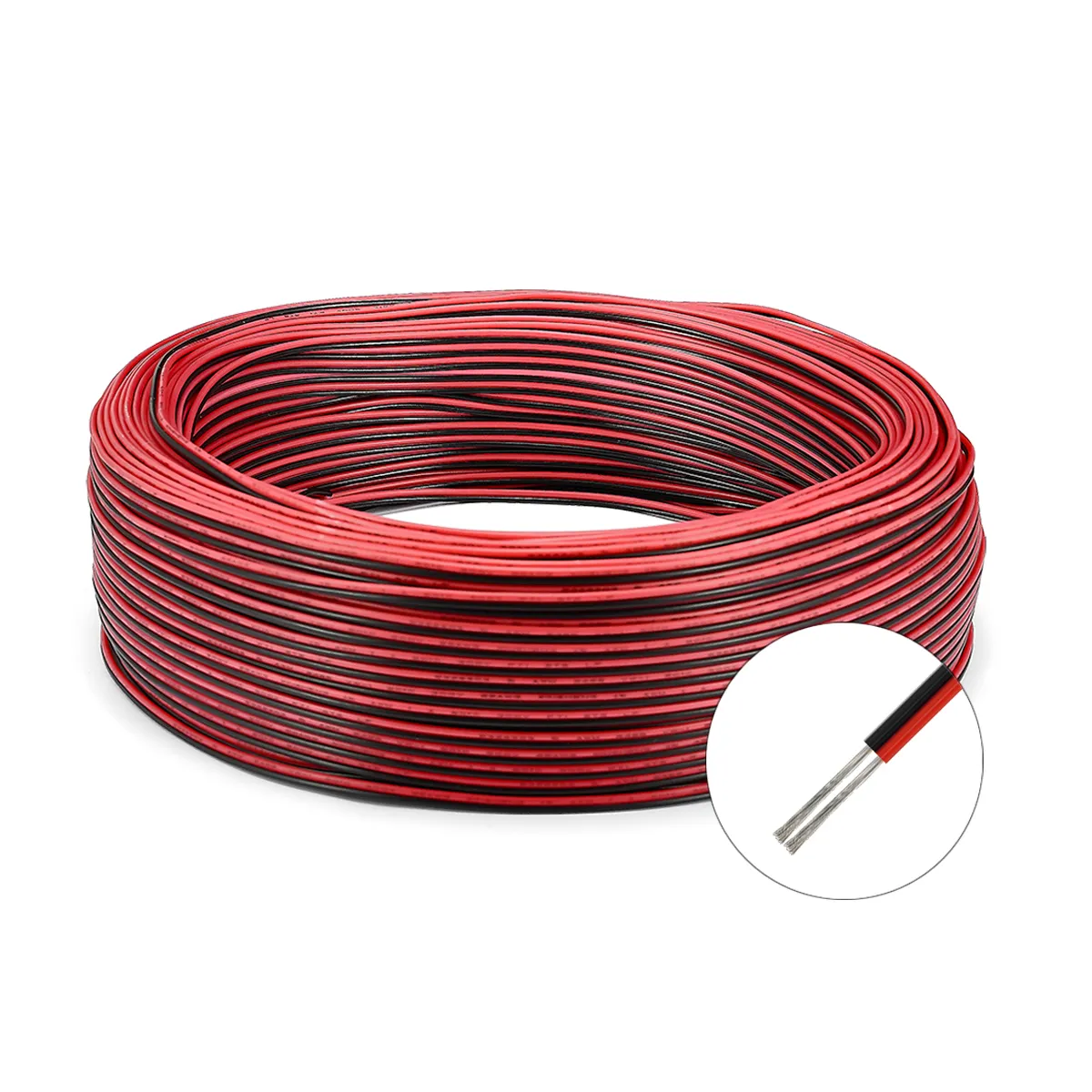
They are used to make electrical connections between loudspeakers and audio amplifiers. A zippered type of wire in which two or more electrical conductors are individually insulated in plastic or rubber and can be easily pulled apart.
Category 5e cables
Often referred to as ethernet cable, they meet the industry standard for unshielded twisted pair (UTP) cable and are used to connect telephones, computers, home automation, and A/V networks. Copper cables usually consist of 4 pairs of wires (8 conductors in total) wrapped in a jacket.
Twin wire cables
This is a flat, two-wire cable for transmission between the antenna and the receiver, e.g., for TV and radio.
Twin spool cables
This coaxial cable variant features two inner conductors instead of one and is used for high-speed signals over very short distances.
Paired cables
This cable is typically used for DC or low frequency AC applications with two separate insulated conductors,
Twisted pair cables
This cable is similar to paired lines, but the insulated wires are twisted or interwoven.
Tip: Both non-metallic and metallic sheathed cables require special cutting tools to cut the sheath, but not the internal wires. They also require sleeves inserted at both ends to prevent sharp edges of metal from damaging the cables and special electrical boxes and connectors.